
Winding & Setting
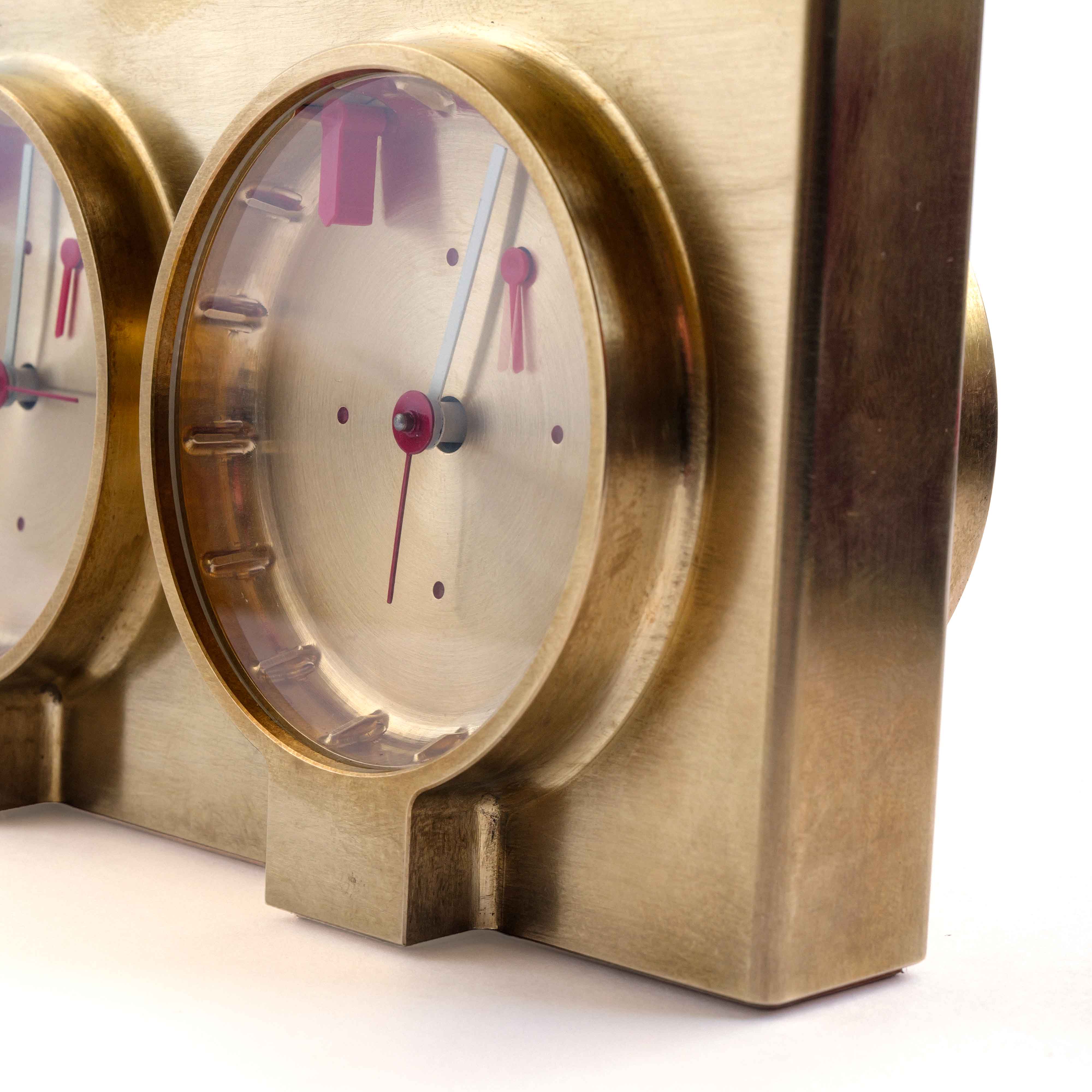
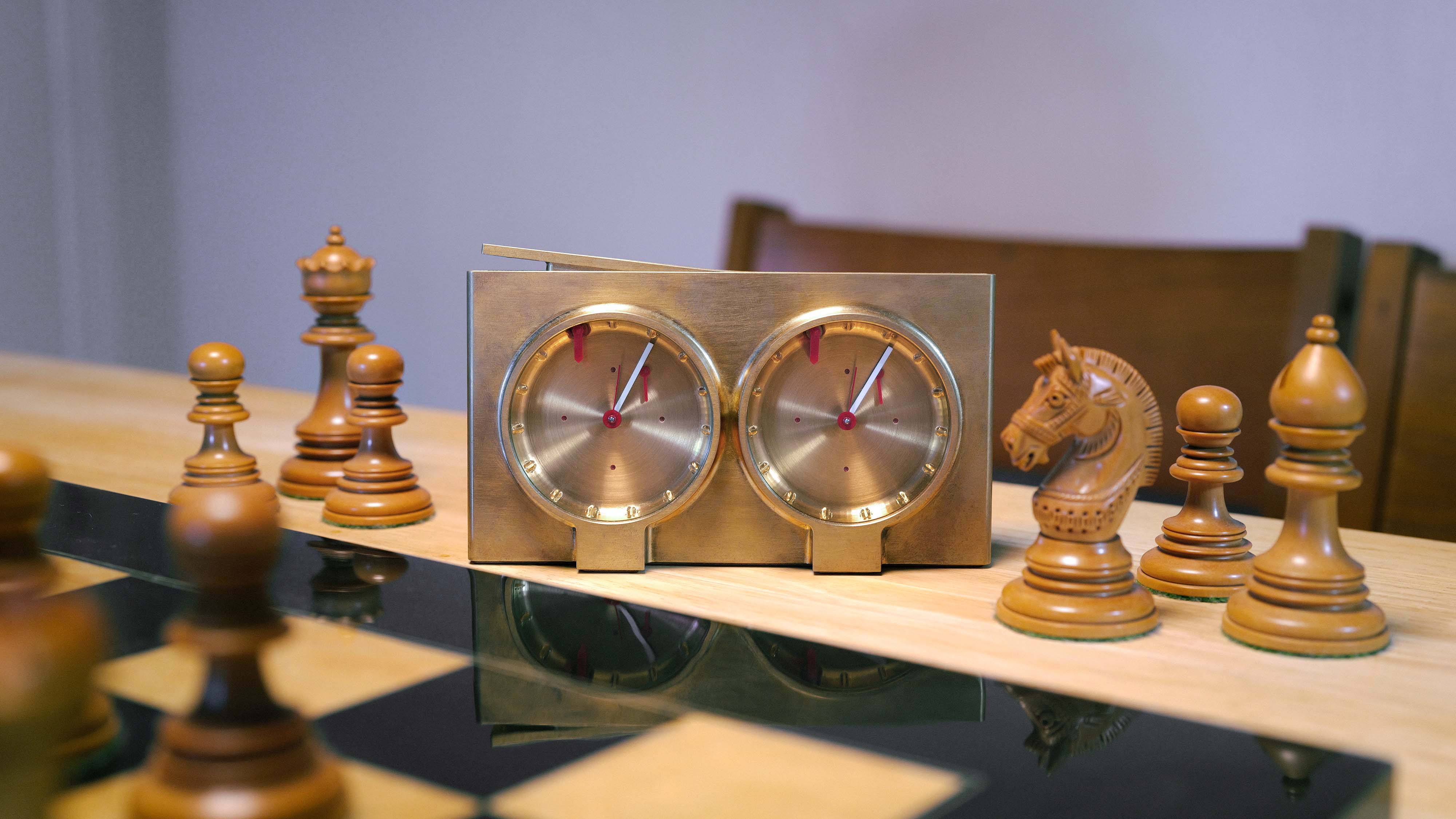
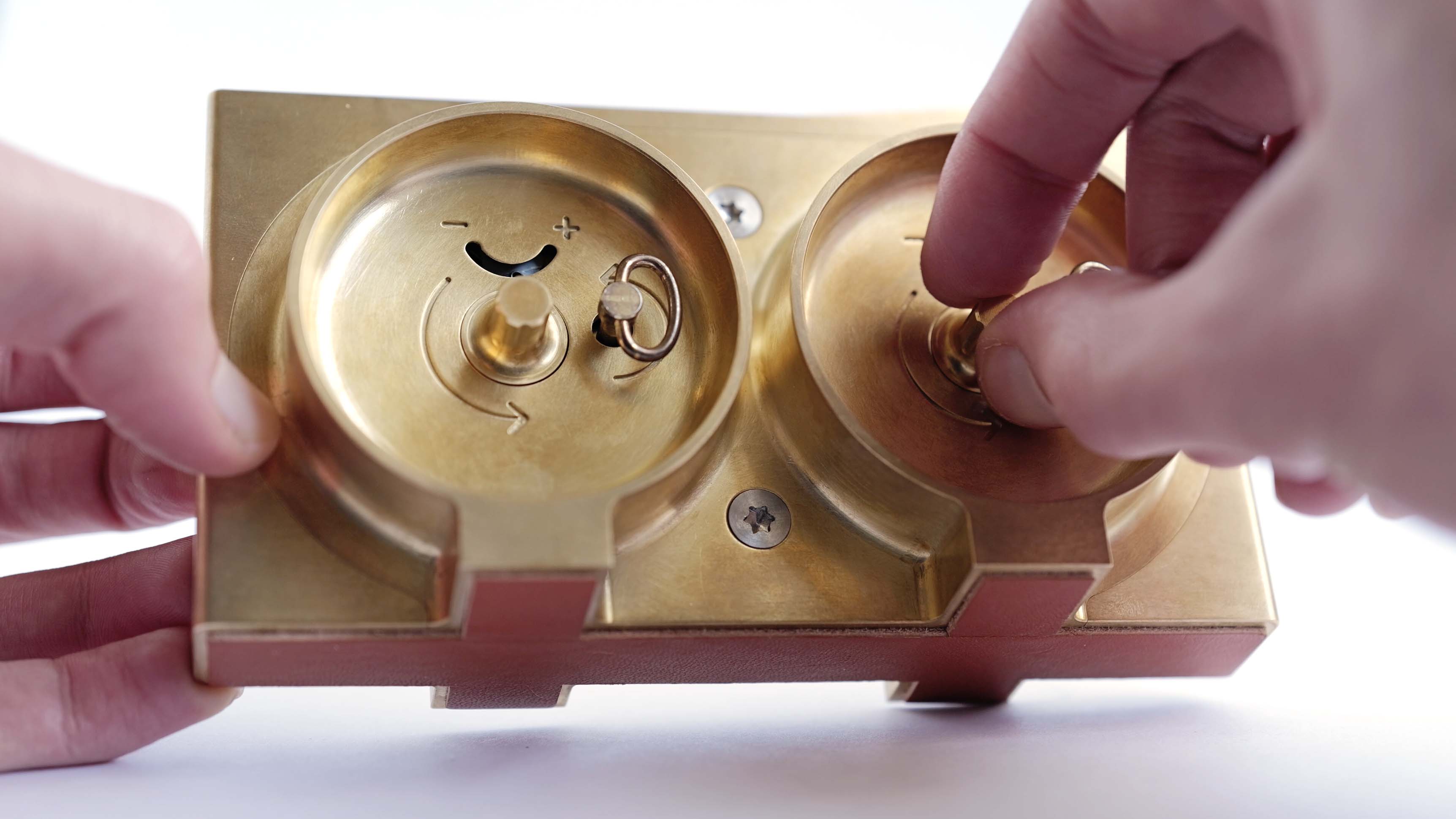
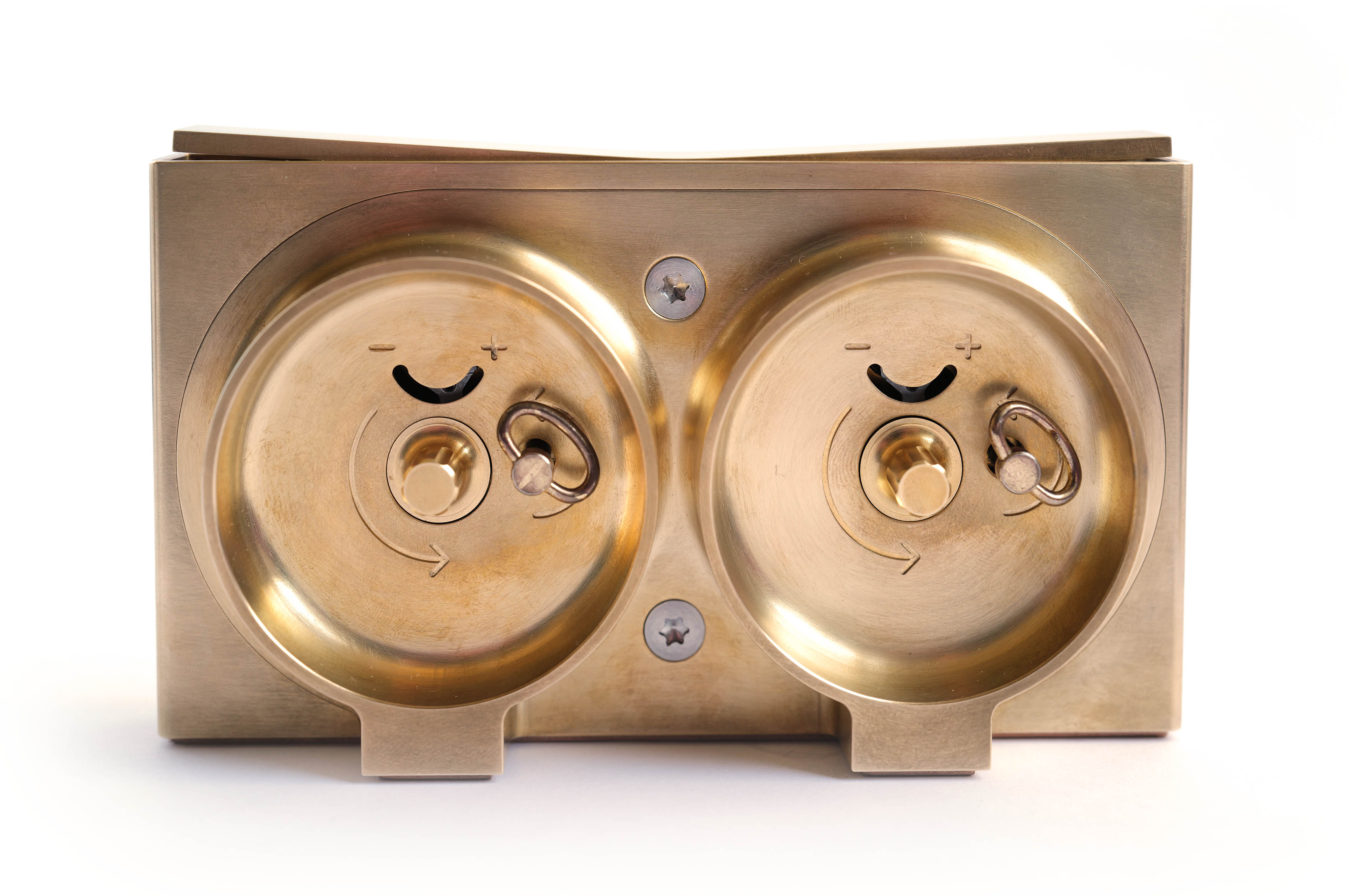
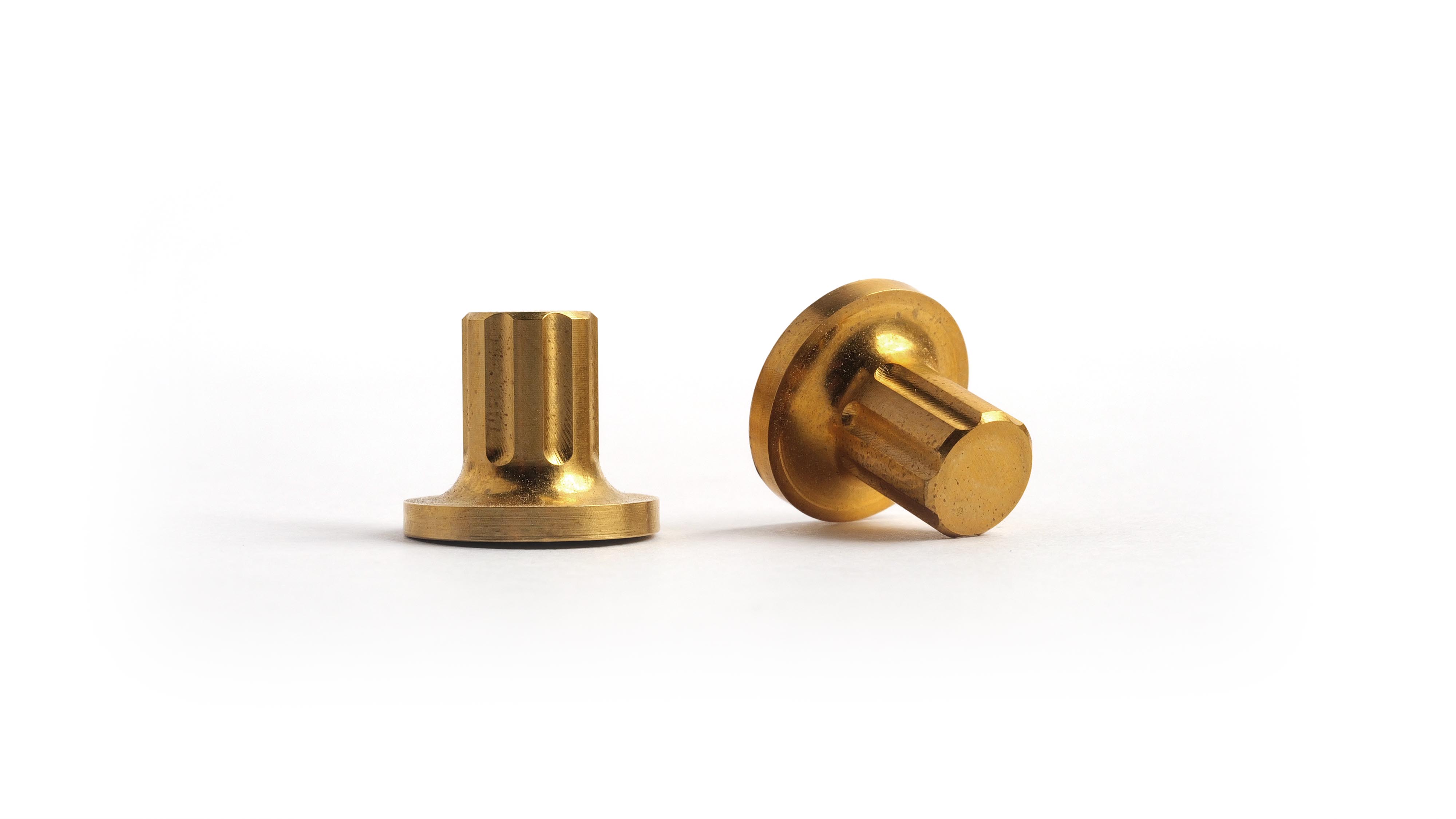
Winding the double springs is wonderfully tactile experience. A full wind lasts many days or weeks of regular play. The time is adjusted with brass knobs on the back. One fully revolution of the white hand tracks 15 minutes, white the red hand tracks a full hour in 15 minute quarters (indicated by the red dots).
The Rocker
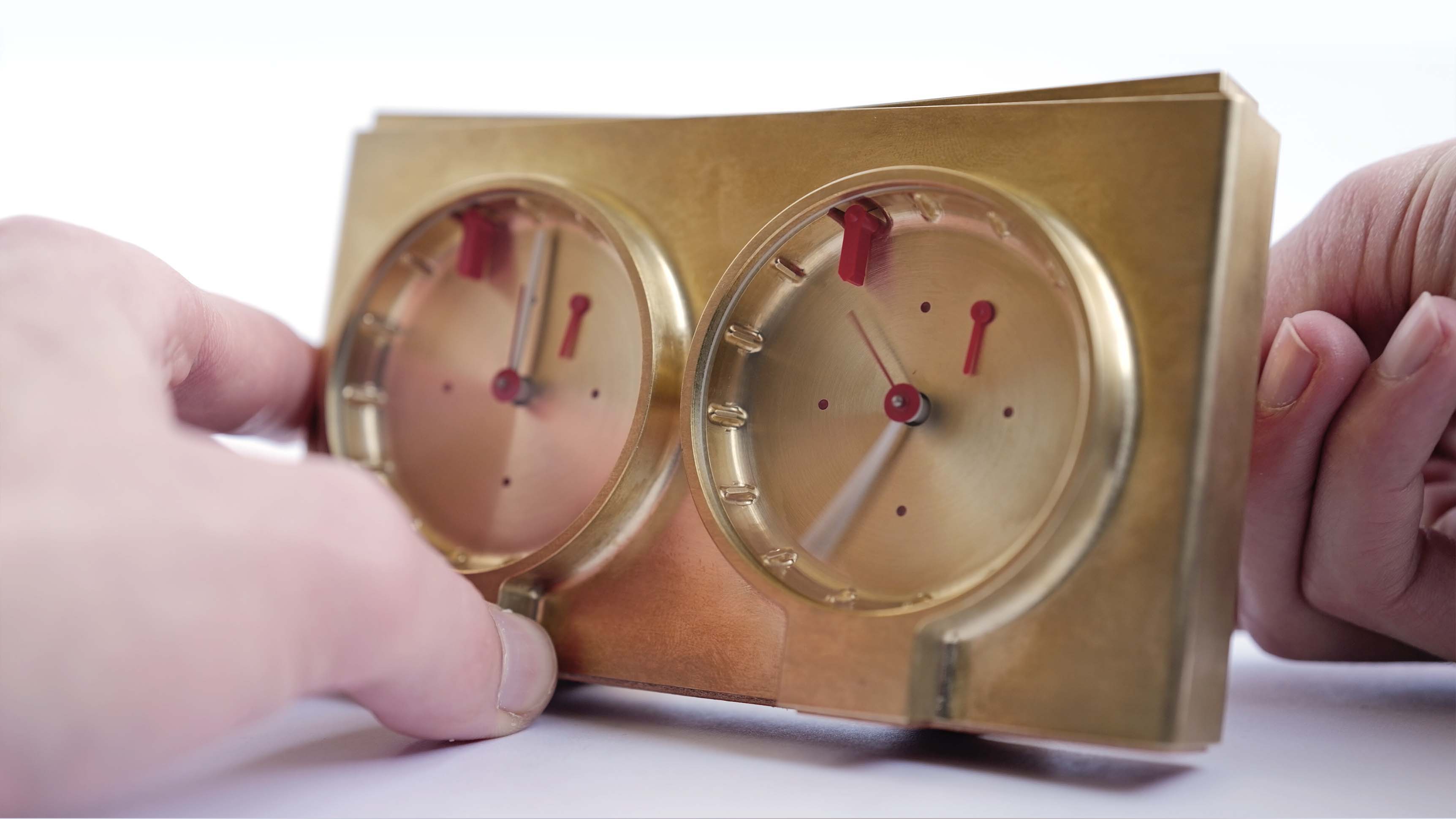
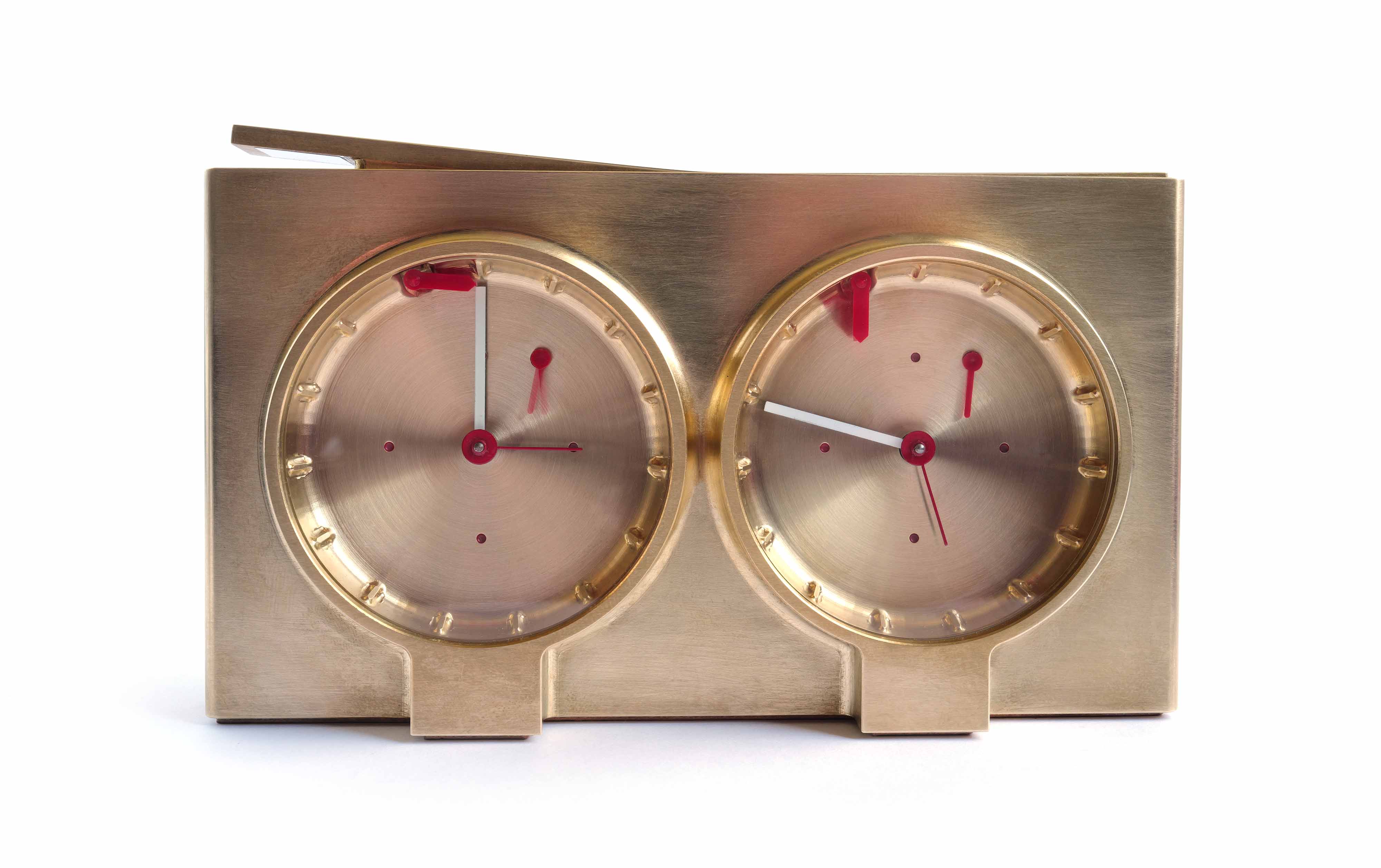
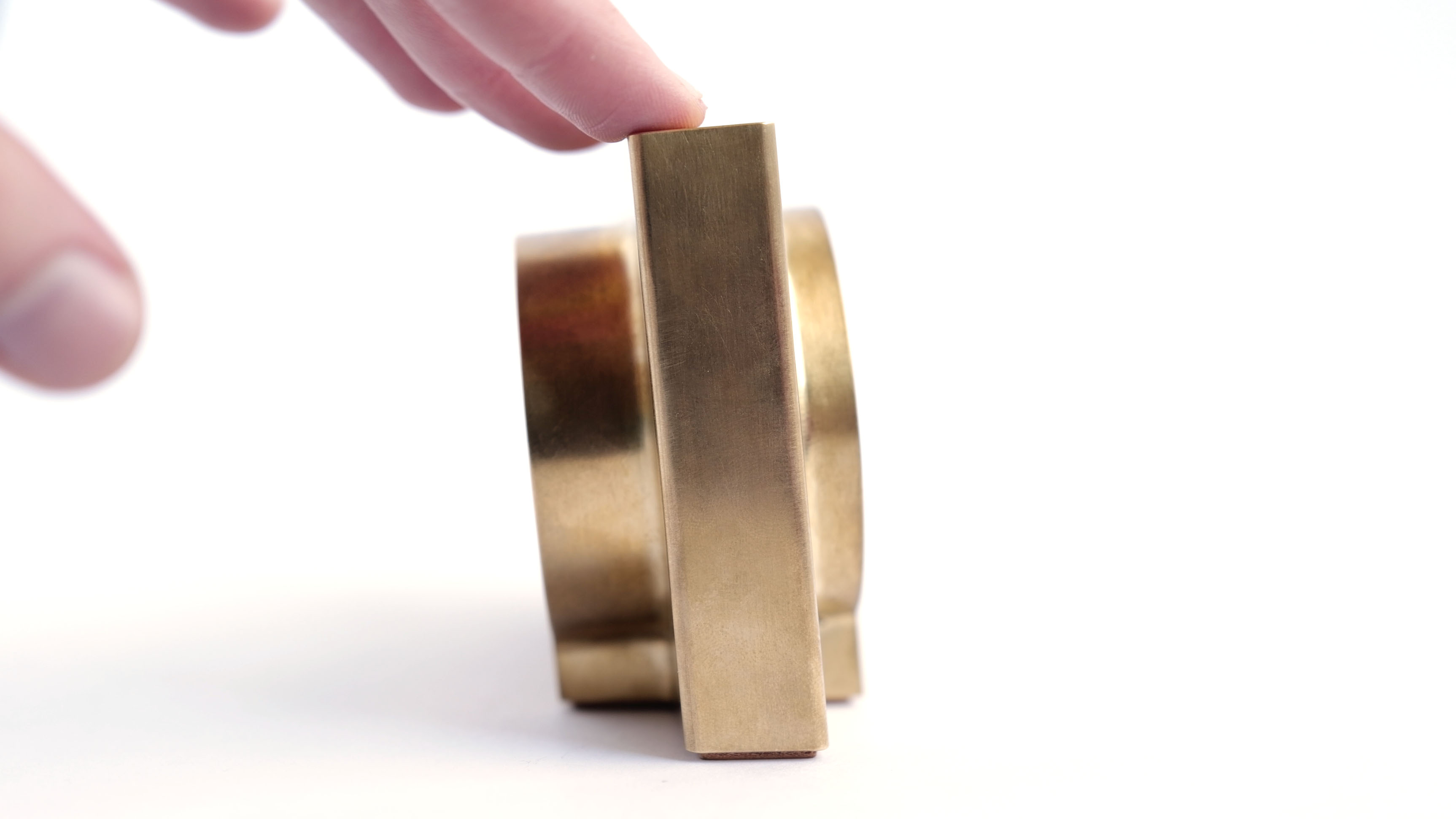
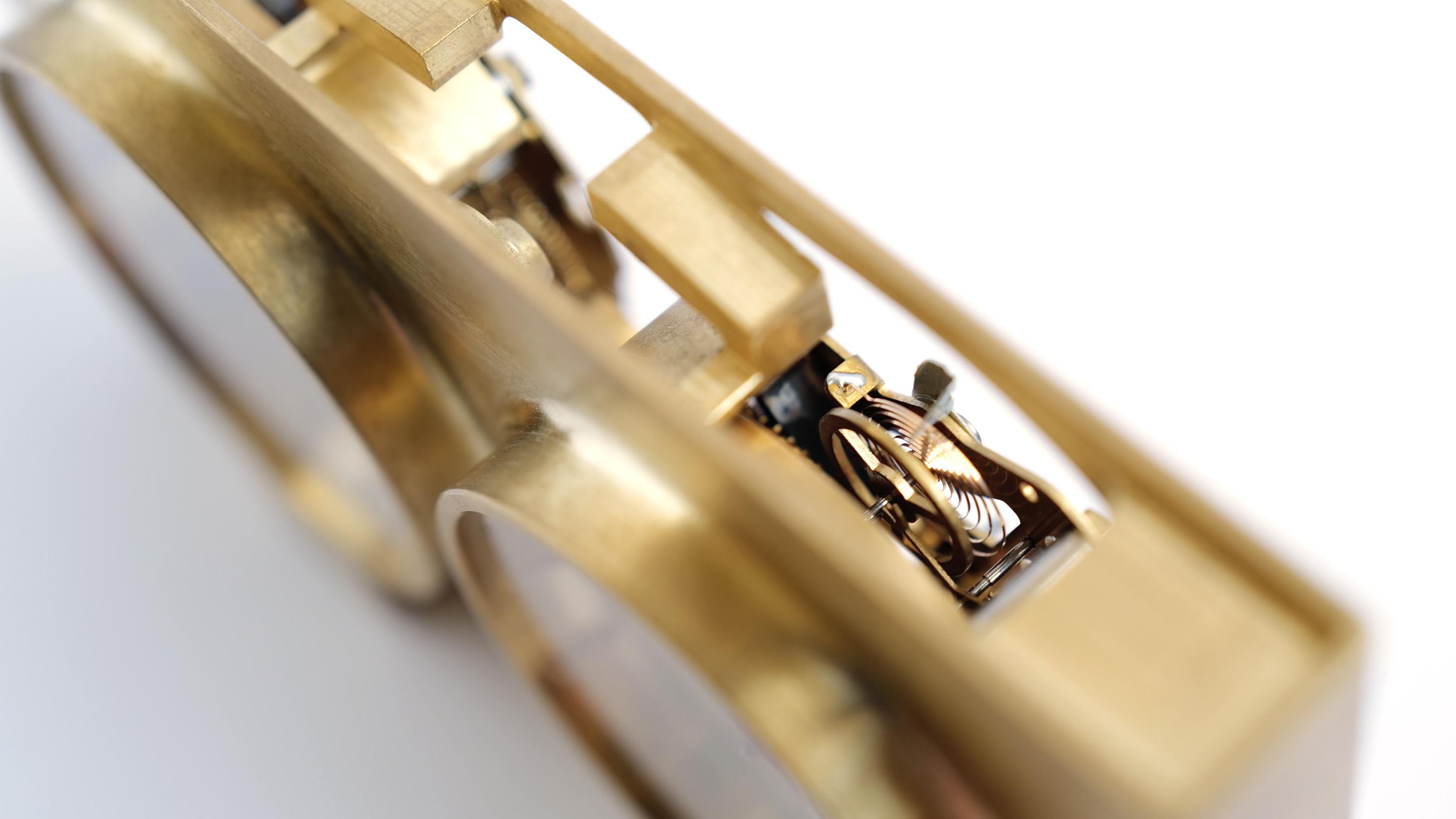
A single brass rocker on the top pivots back and forth to switch the seperate times on and off. It sits flush on the side that is running and produces a soft metallic "click" when pressed. The rocker is dampened with grease for smoothness and shimmed to eliminate any wobble, ensuring a silky movement back and forth. When the rocker is stopped in the middle position (horizontal) both clocks are paused.
Movements
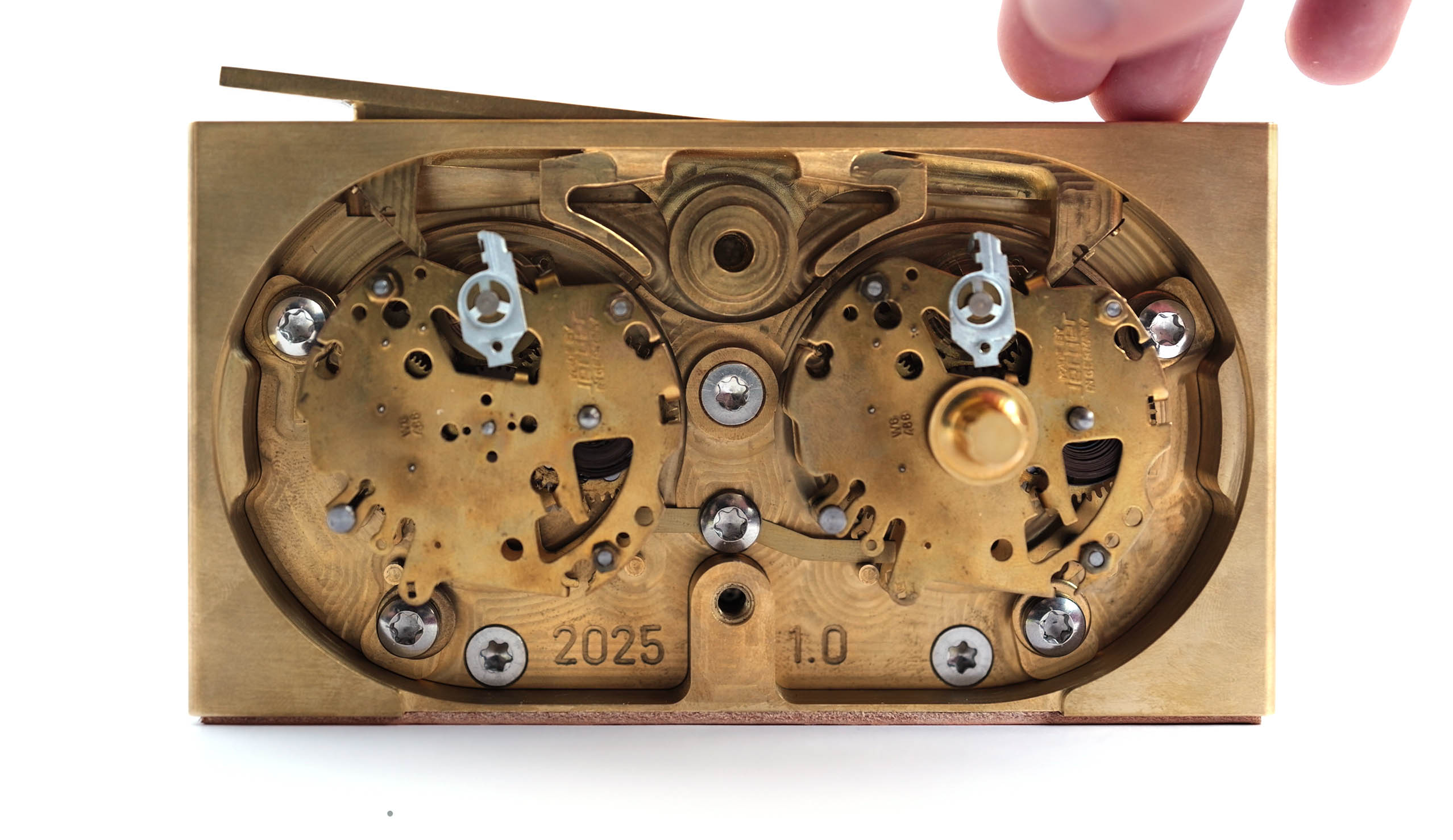
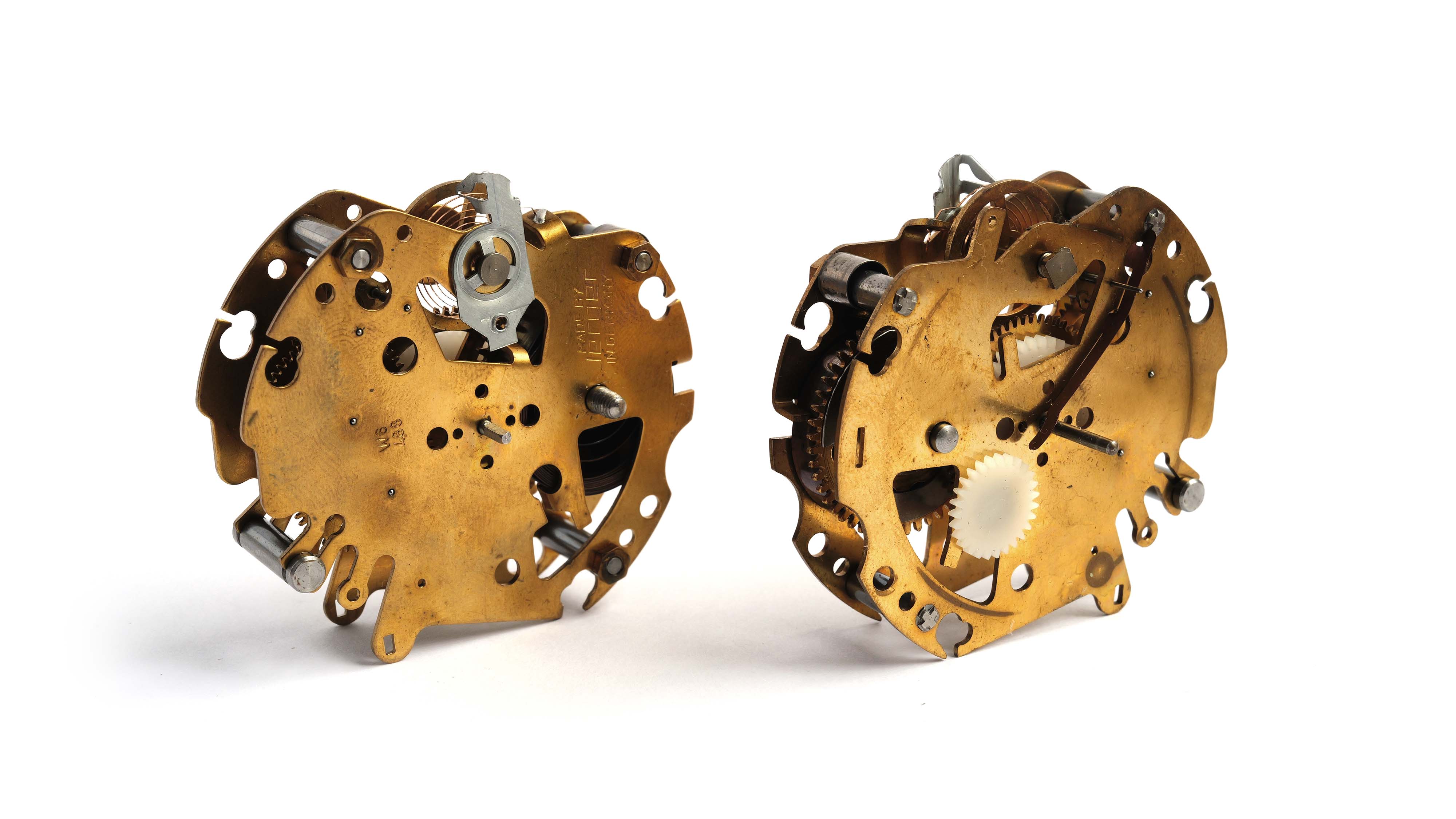
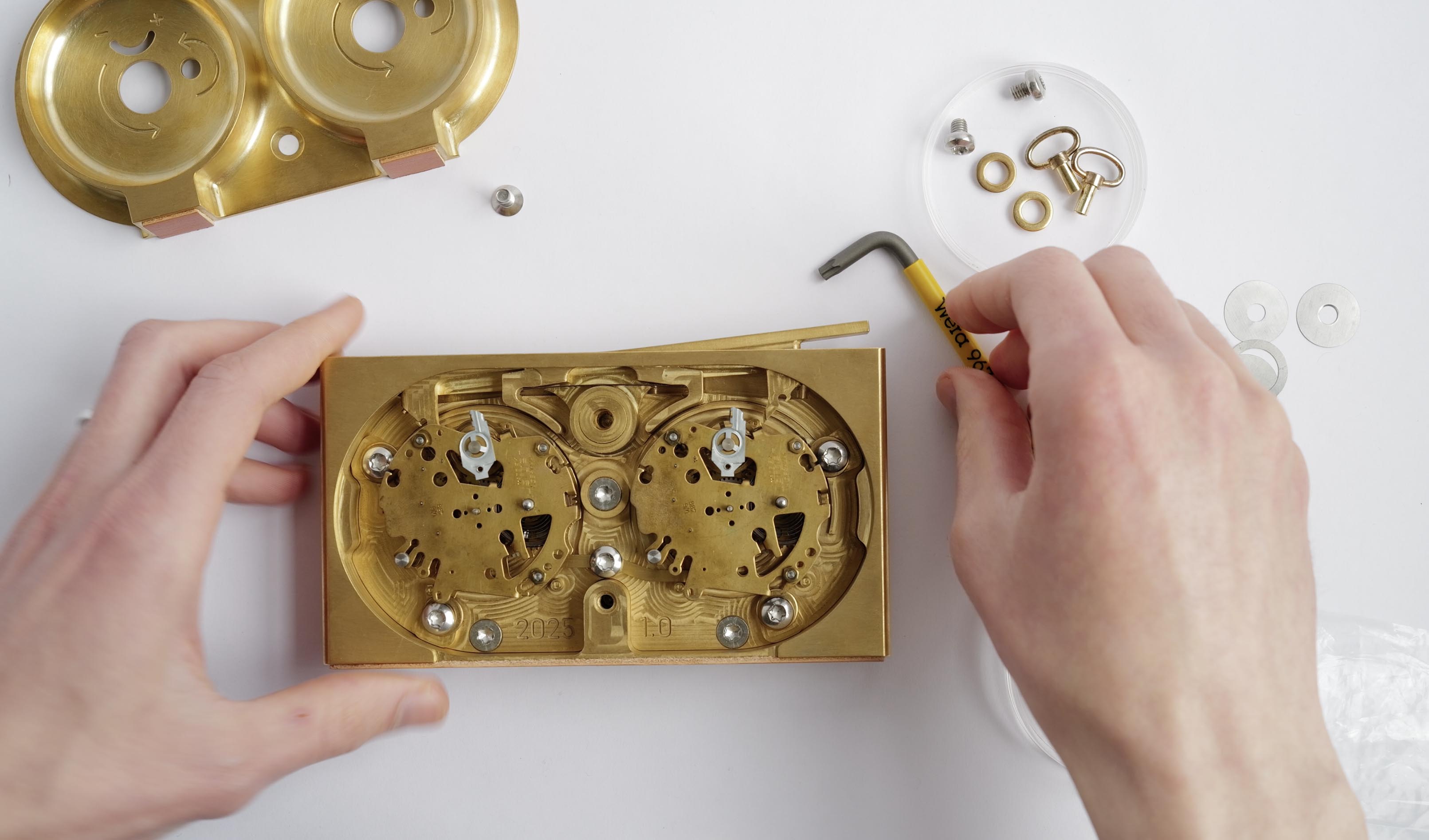
The clock was built around a Jerger W6 mechanical wind-up movement. Built in 1980’s West Germany, these vintage analog movements run on twin spring-driven mechanisms, and were designed for use in chess clocks. These high-quality mechanical movements were made of brass and steel. Apart from these twin movements, everything else on the clock was completely custom fabricated.
Parts
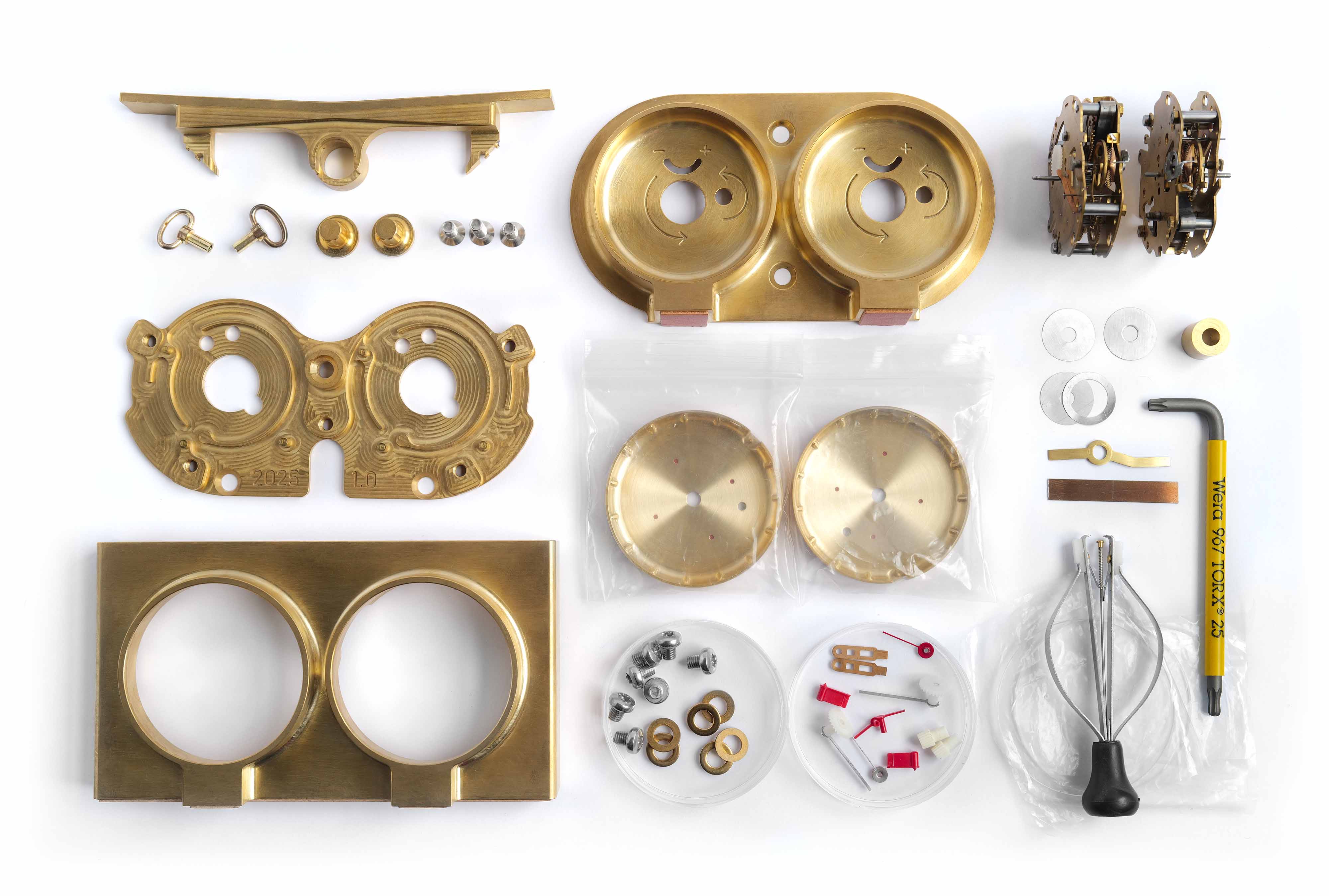
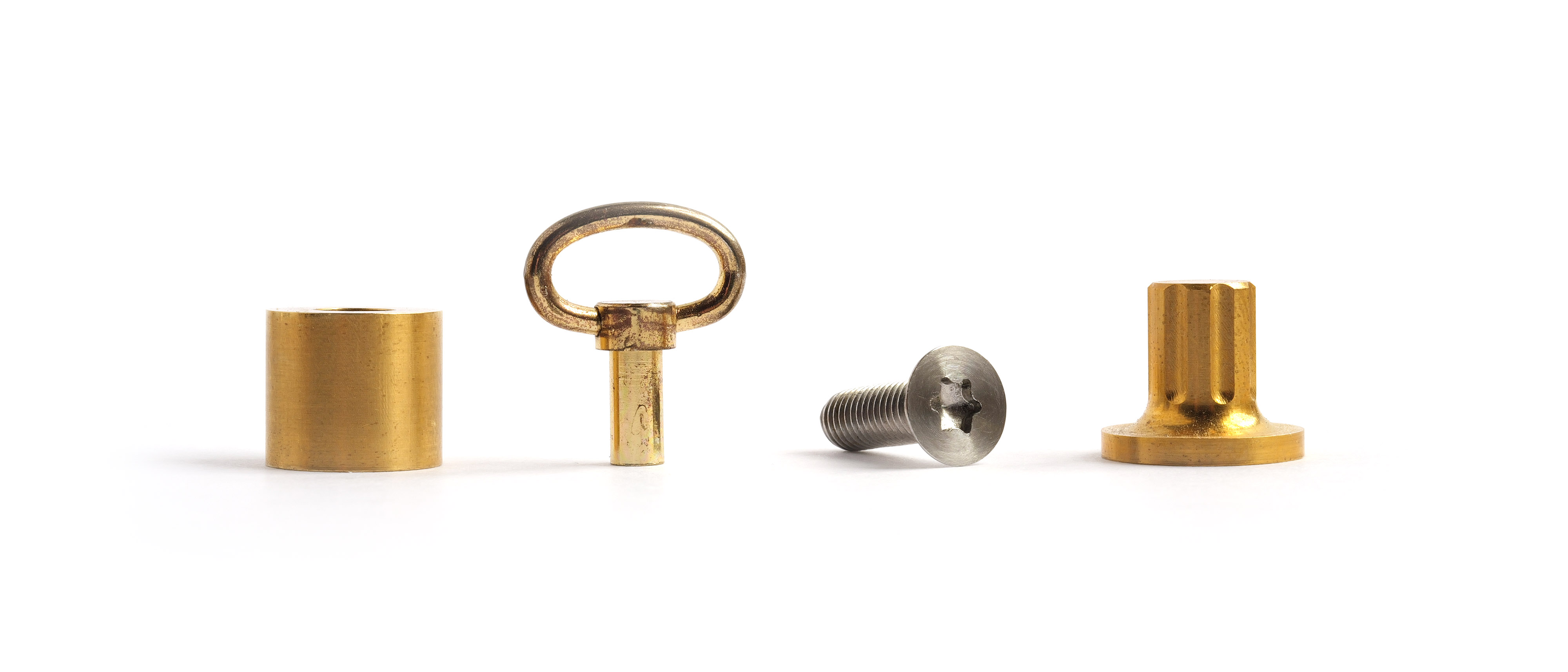
In addition to the custom housing, the biggest modification to the original design was the introduction of a paddle or 'rocker' switch to start and stop the time instead of the two separate push buttons originally used in Jerger blitz clocks from the 80’s. This seemingly small change meant a complete redesign of multiple internal components and modification of the balance stops. The result is a truly unique time piece, not only in terms of its form, but of its function.
Assembly
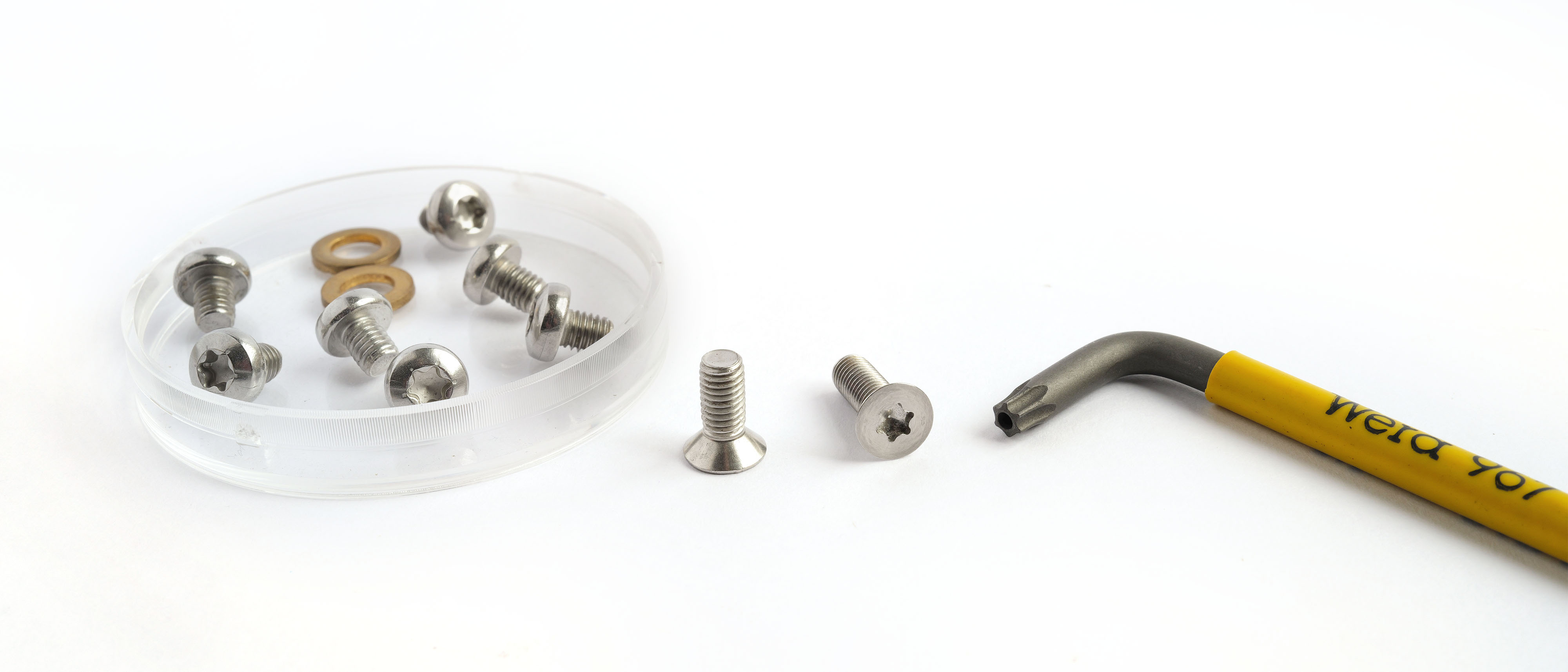
Assembly is relatively straightforward. Most of the internal components were purposefully overbuilt (for example, the oversized Torx screws), but certain steps do require a knowledge of the inner workings.
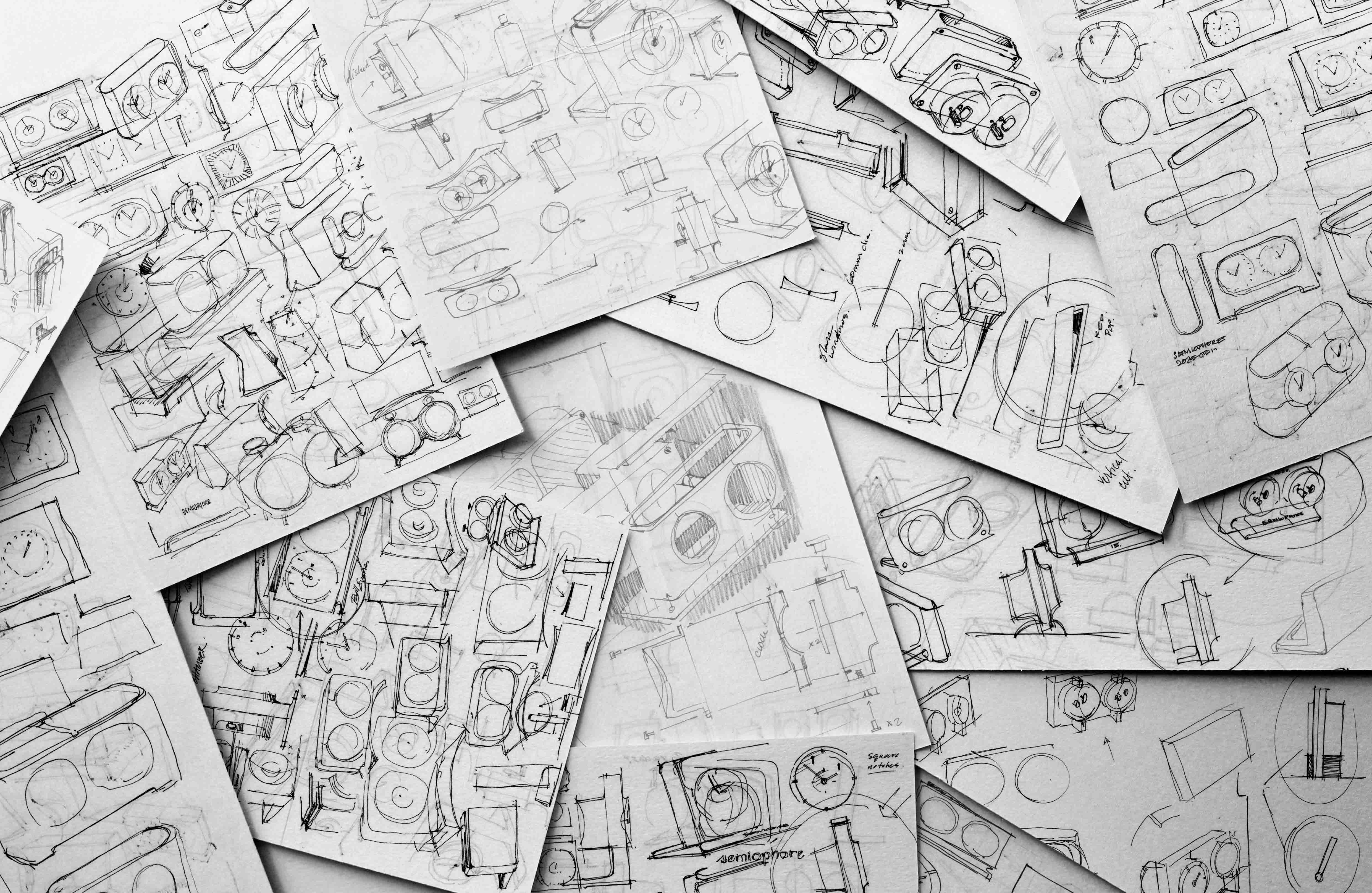
Initial sketches
The final form was developed around the concept of a finial, the stylized cross found on top of the king that indicates divine right. The base echoes this, forming a Patriarchal cross. Other chess motifs include the ticks marks which are reminiscent of the crenellations found on the top of the rook, and the time knobs, which taper like the base of a chess piece.
Engineering
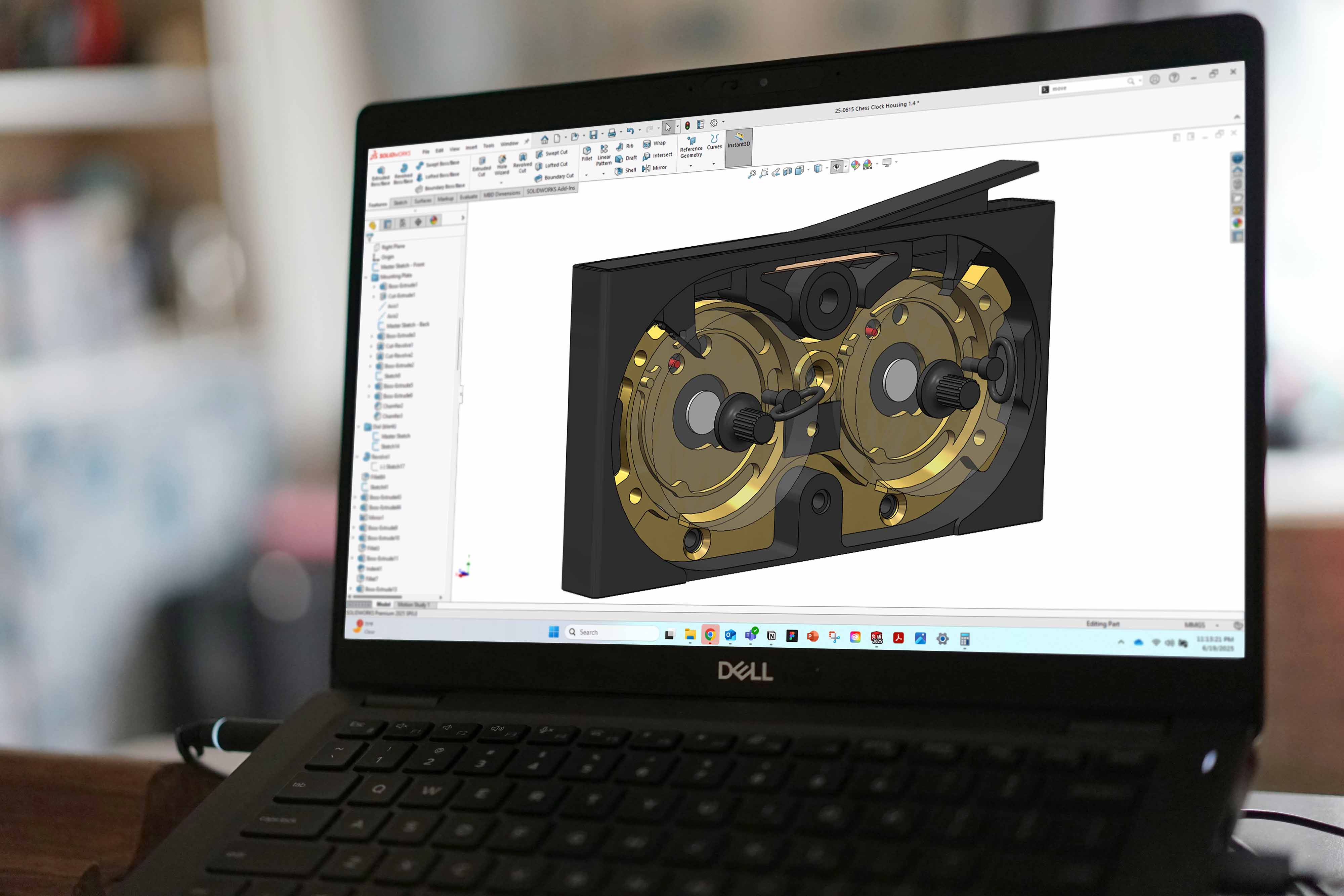
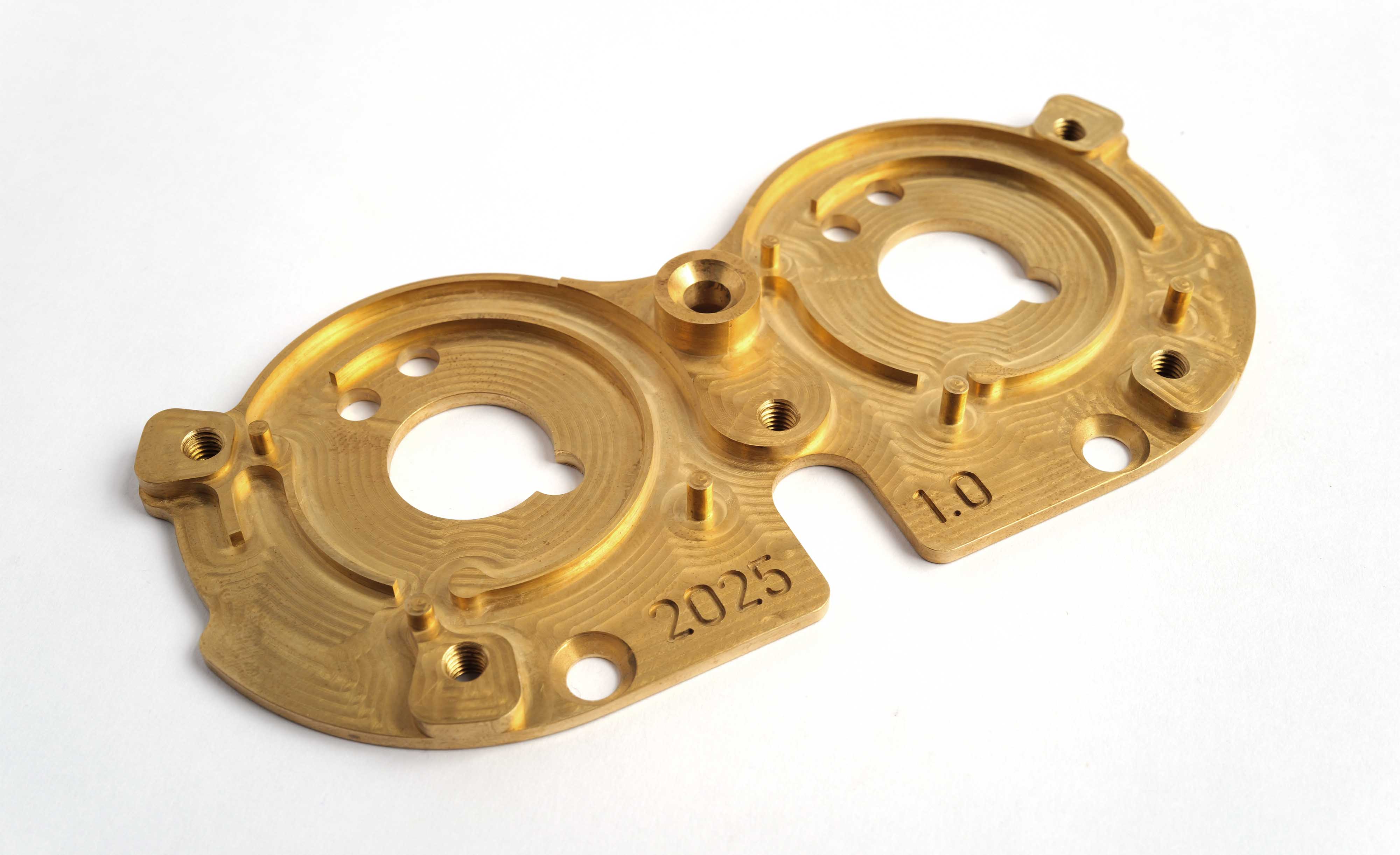
This was an enormously complex 3D model. Calculating the stacking tolerances, optimizing for CNC machining at a micro-level, and figuring out the multi stage assembly process of delicate parts took months. After the movement was laser scanned, the housing design underwent dozens of iterations as each of the interlocking parts was meticulously refined for a perfect fit.
Prototyping
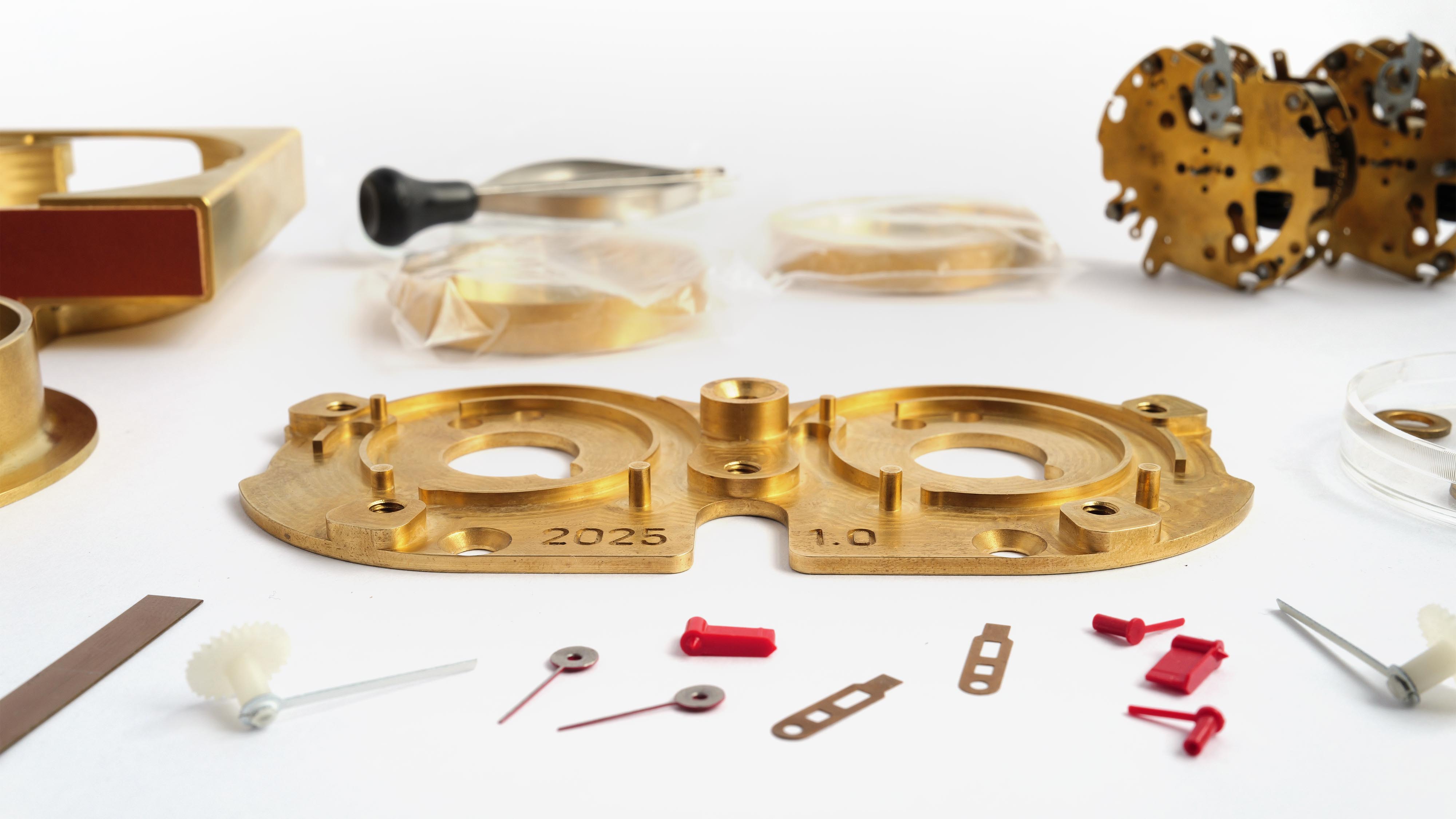
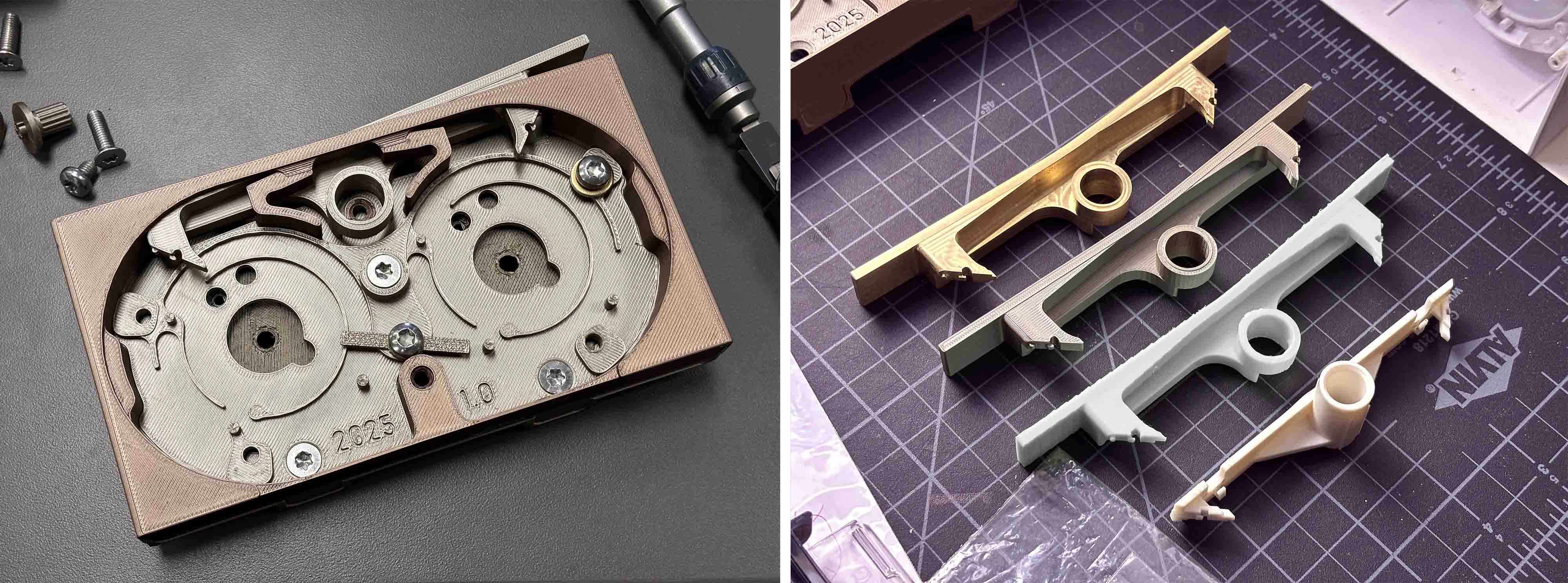
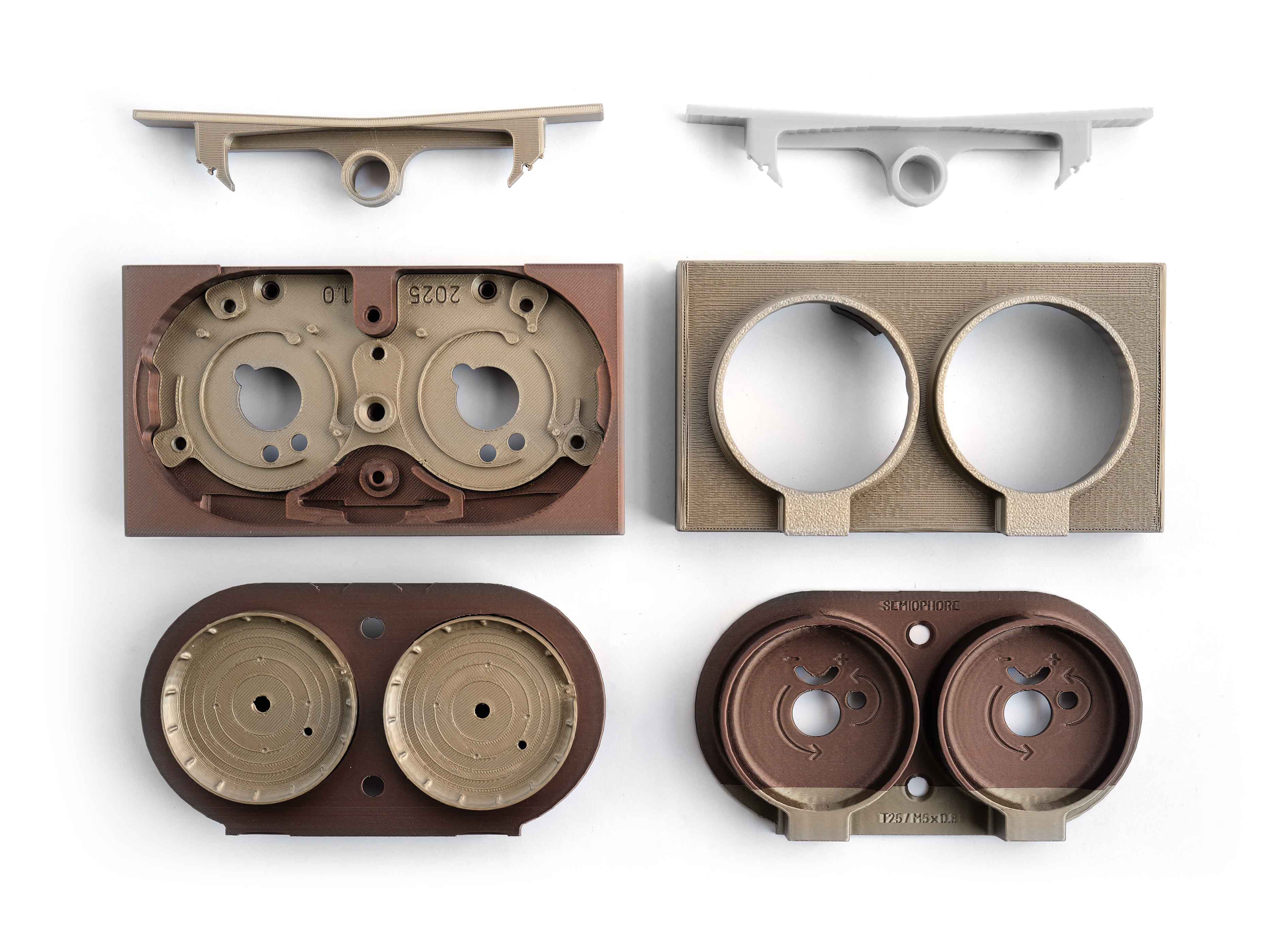
3D printing was used to verify the rough design, but due to the accuracy required of most of the components, it could not be used to check final fitment. This required machining each part out of brass to extreme tolerances.
Materials
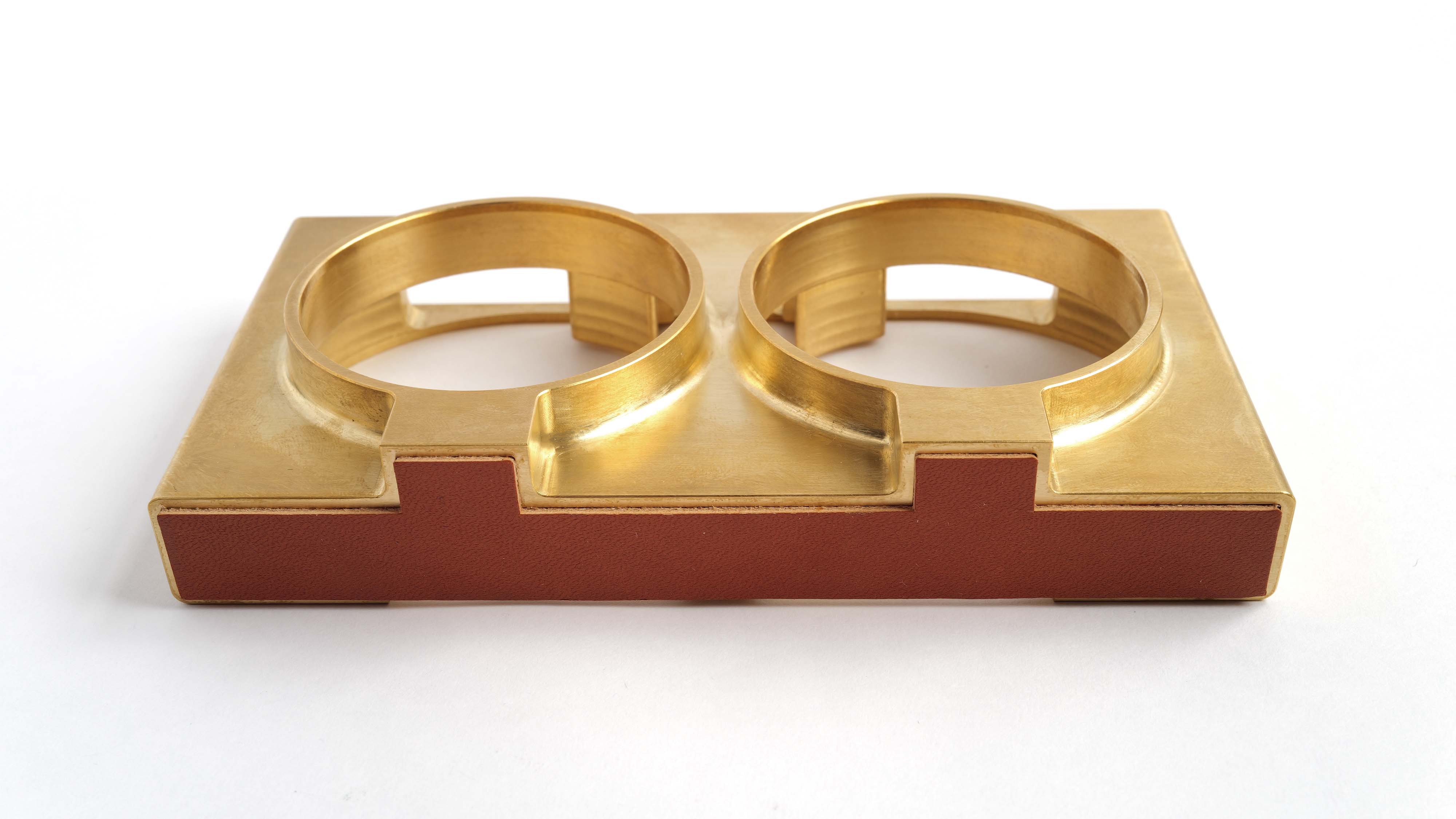
The Semiophore Blitz clock was built to be an heirloom. Brass is a wonderful material that develops a beautiful patina with age, and has a satisfying weight that feels luxurious. Chess clocks in particular are hard use tools designed to take some abuse; the weight and strength of metal ensure that this clock will last for generations to come. A vegetable tanned leather foot protects the table from the heavy brass corners.
Machining
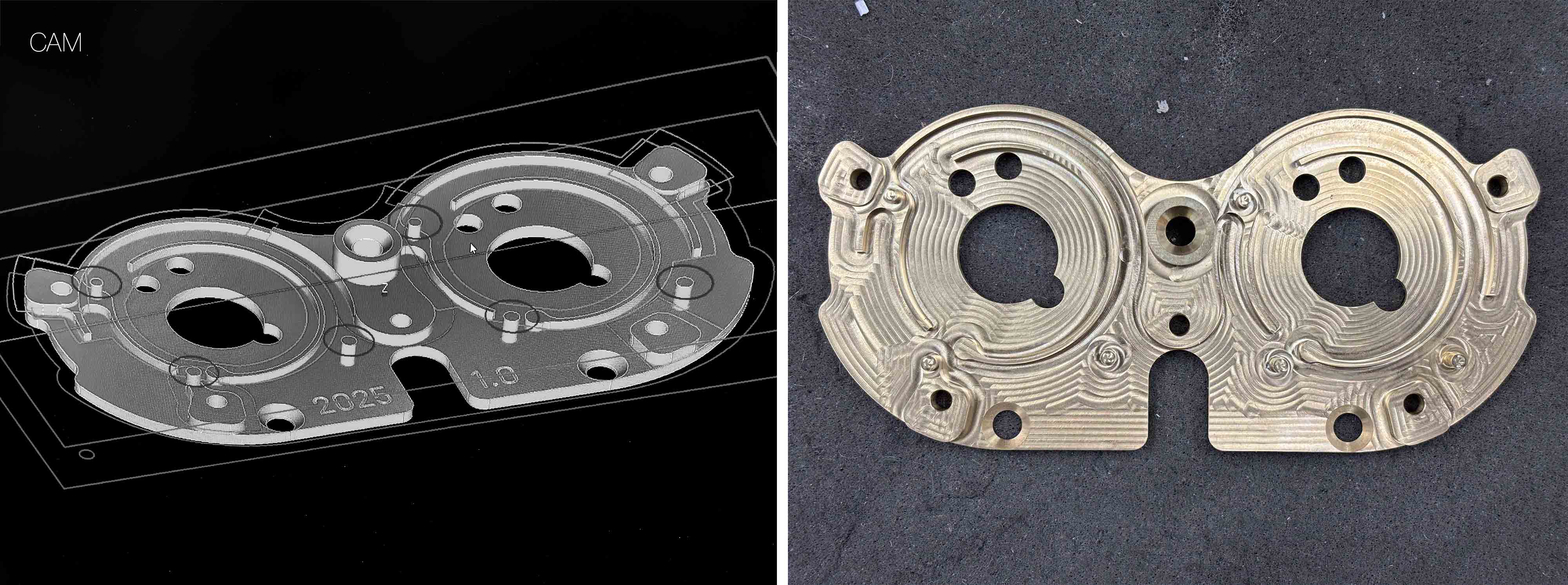
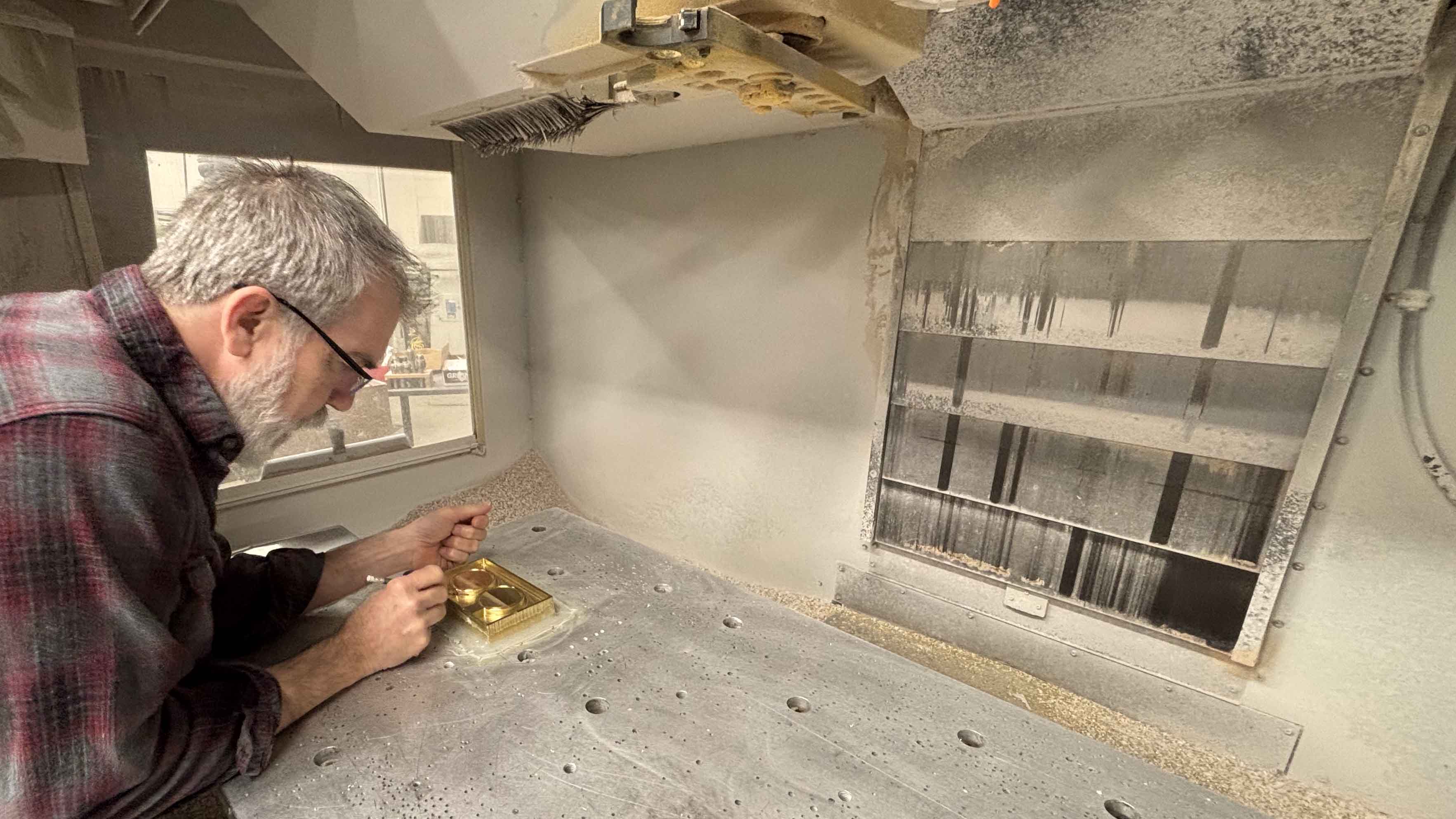
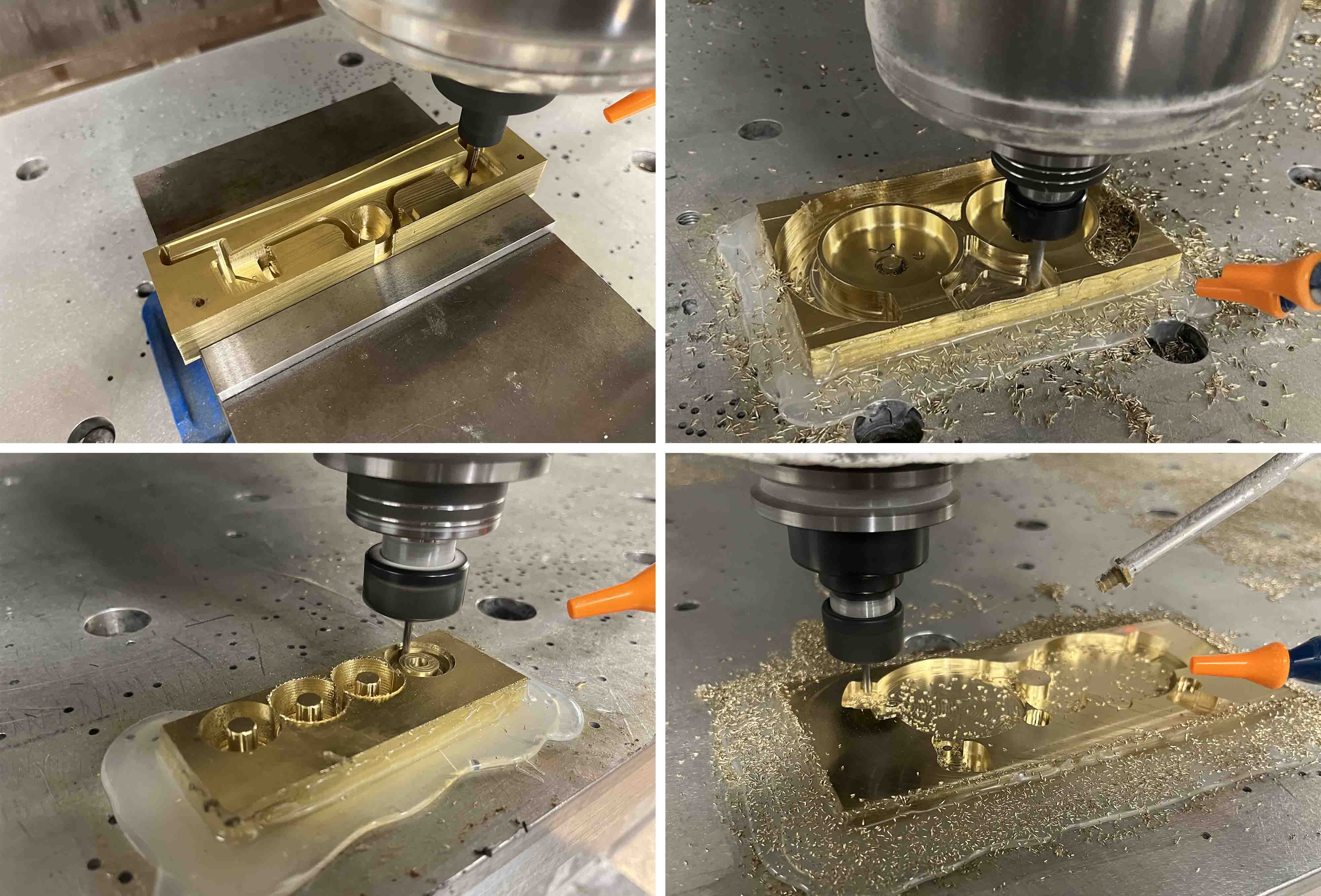
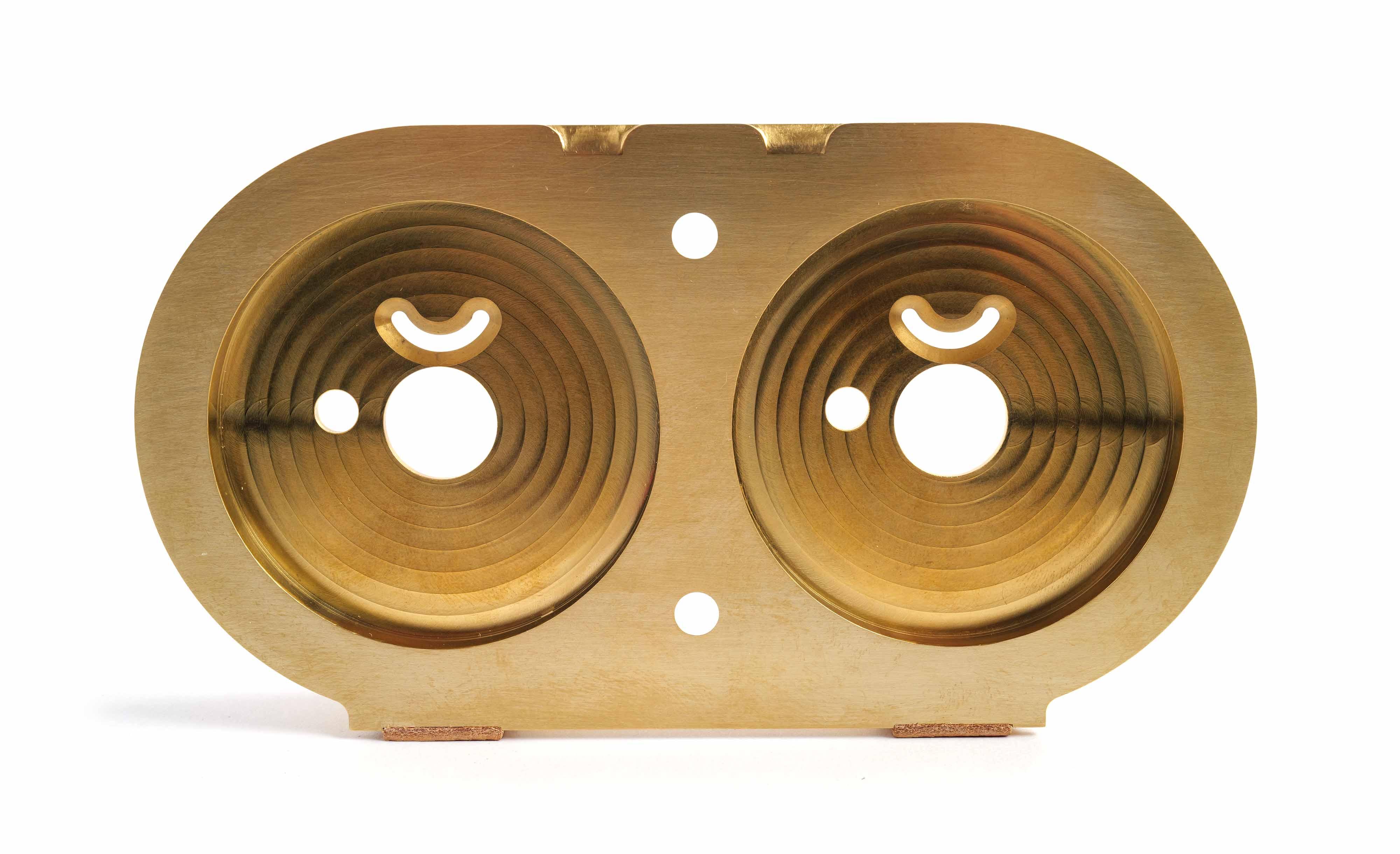
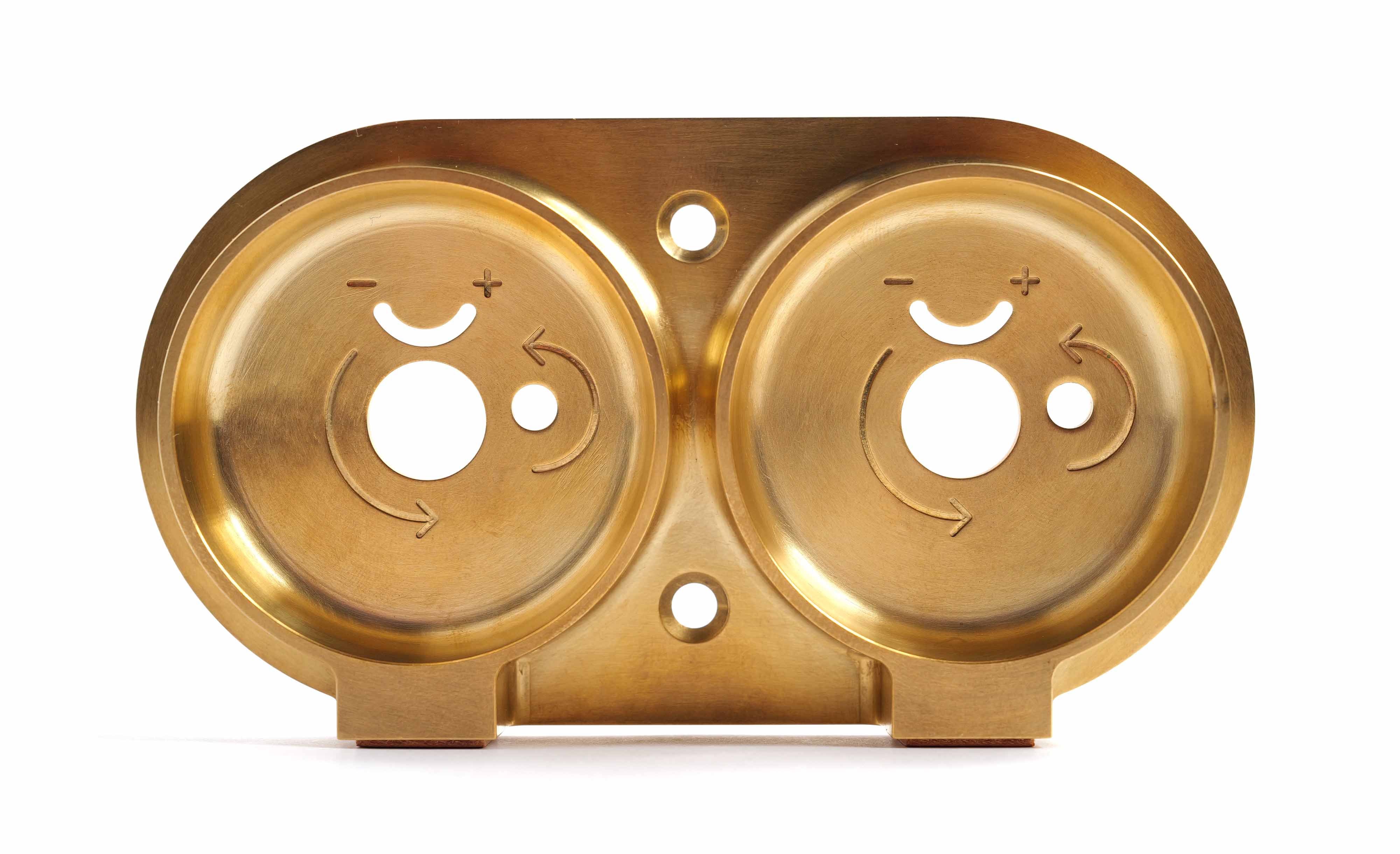
This Blitz Clock was a labor of love. It took 75 hours of programing (595 tool paths), 12 hours of setup time, 74 hours of run time, and 25 hours of finish work. All in, creating the 14 unique parts for the clock required well over 200 hours of time by expert machinist Dennis Smith. His passion shows in the final product.
Patina
One of the loveliest parts of this clock is how it changes with use. Chess clocks are meant to be touched, and the brass shows this wonderfully. With daily use, a bright shine will develop on touch points such as the rocker and time knob; other areas will darken with time. The brushed interior faces will remain bright behind the glass windows (protected from oxidation) while the main housing develops a rich patina from repeated touch.